
JUNGLE DRUM: Nature changes at her own pace
LAWRENCE MASON COLUMN
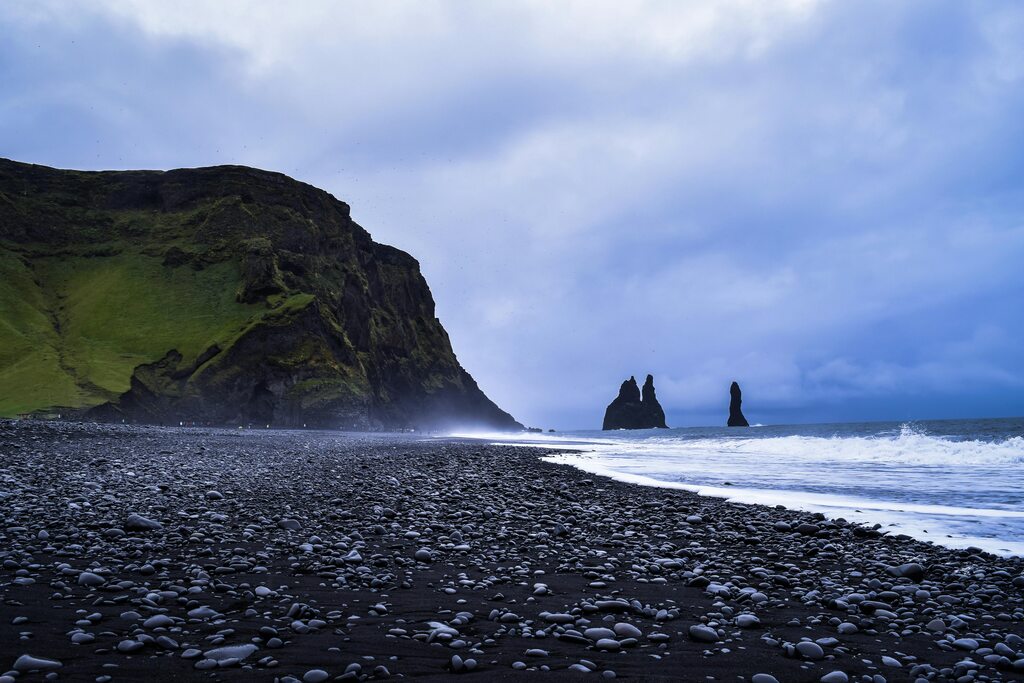
In 2019, my daughter and I went to Iceland. Great place, I can recommend it, even in mid-winter.
One place we visited was the famous black sand beach, and I remember the pancaked rocks, the impossibly black sand and the warnings about surprise waves. This week we have seen images of this beach after a massive storm, and it looks nothing like it did when I was there.
Yesterday, I went boating, and it was hard not to notice the landslides in the hillsides, again something that was mostly not there in 2019. But many are already growing back, and in a few years all we will notice are some new rock faces and the light green vegetation where the forest is reclaiming its lost space.
One of my favourite things to show tourists is the Calophyllums hanging out over a local beach, then show them the same trees hanging over non-existent beach way back in the forest. Or lines of coconut trees dating back to the 1930s. None further back with the Calophyllums; you can draw your own conclusions from that.
Even the Daintree River Oxbow near the ferry, currently getting much media in the form of fundraising, was once a part of the river flow. However, successive floods from now will slowly fill it in and change the landscape.
If we look closely at aerial pictures taken through time, we can see that places like my home valley have been very different in the past. It seems clear that all the creeks exited in one spot, initially just south of Cape Trib headland, then for a long time in the gap in the middle of the beach, before the bigger creeks moved to where they are now.
The massive floods that caused these changes must have been a sight to see! A large pile of rocks just south of Myall Creek hints at such an event. Boulder piles just below steep slopes indicate past landslides.
And some research hints at rainfall being much higher here five to one hundred years ago. God help us if we developed this place in a dry patch.
Yesterday, blatting up and down the coast to run a new engine in, I could not fail to see the millions of dollars being spent reinstating roads. And wonder if a return to wetter weather might not see this kind of work as permanent. How long would the government keep putting money in to keep these roads open? How long would insurers put up with the claims?
I know there are those who believe we once lived in a landscape of steady predictable weather and moderate temperatures, only ruined by industrialisation. But that is simply not the truth of it, and regardless of what we do, the landscape will continue to change, whether we like it or not. And I don't think some batteries and a few new taxes will influence Mother Earth at all.
Whether in Iceland or Daintree, the landscape is NOT permanent. It changes rapidly, sometimes dramatically and has no respect at all for the puny efforts we make to change it. It is a reality for future generations that the landscape will morph regularly, especially on very wet coastlines.
We better plan for it now. Hadn't we? Why is nobody talking about a Disaster Fund?
*Lawrence Mason has lived at Cape Tribulation all his life, and has been involved in farming, timber and tourism. He is a former board member of Tourism Port Douglas Daintree, founding Chair of Daintree Marketing Co-operative, and has been a member of both Alexandra Bay and Mossman State High School P&C. He is also a member of the Douglas Chamber of Commerce and has a keen interest in local issues.
- The opinions and views in this column are those of the author and author only and do not reflect the Newsport editor or staff.