Restoration project gives former Daintree cane land a new purpose
LAND TRANSITION

BUSINESS FEATURE
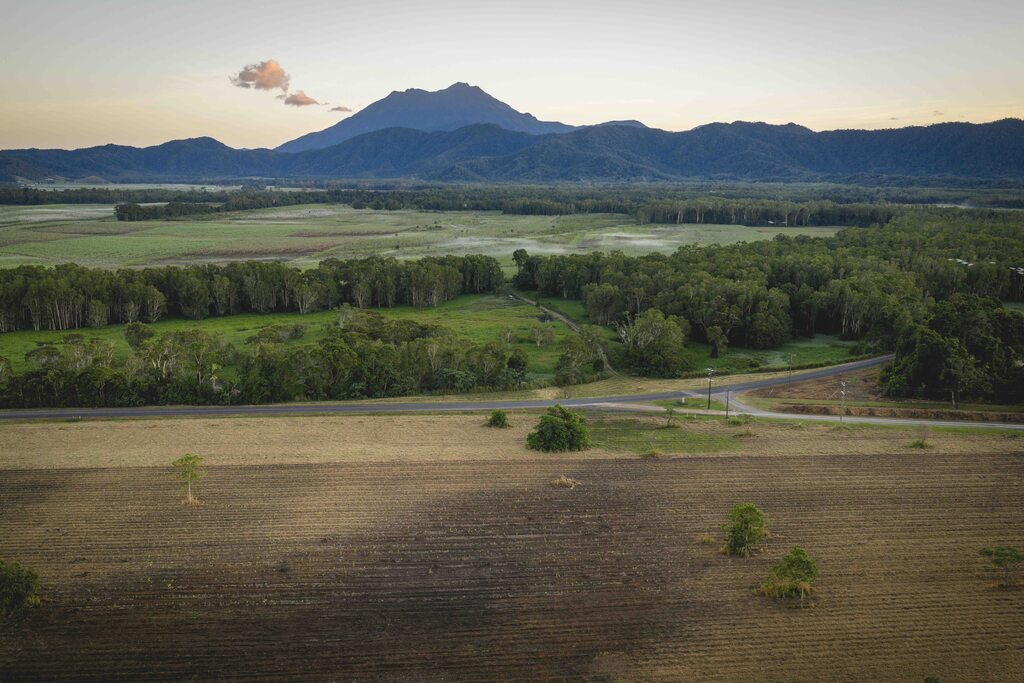
Just south of the Daintree River ferry, former sugarcane land at McDowell Swamp is being restored as a wildlife corridor through the Daintree Oxbow Project, creating a practical new land use that can support ecological recovery and local employment.
The project is managed by Rainforest Rescue, an environmental non-profit that purchases and revegetates degraded land.
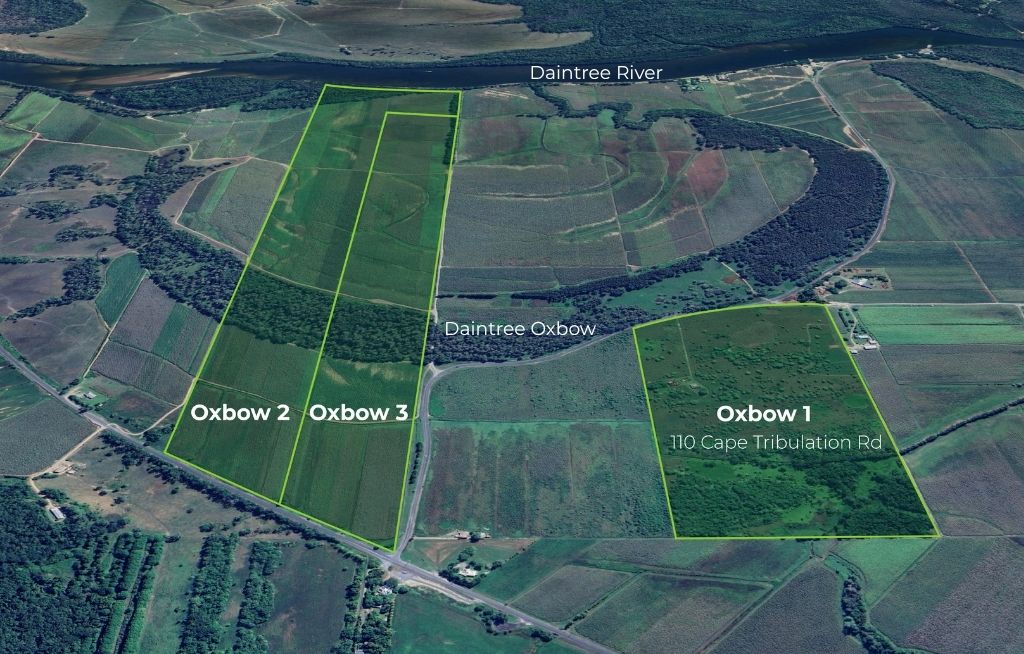
Anchored by the lower river’s only natural oxbow lagoon, the site forms part of a wetland mapped on the Directory of Important Wetlands in Australia that was farmed for sugarcane for seven decades.
Following frequent flooding, saltwater ingress, and the liquidation of the local Mossman sugar mill, land use across the floodplain began to shift.
Rainforest Rescue has acquired approximately 120 hectares across three properties, bringing one-fifth of the 600-hectare Oxbow project footprint across 17 properties into conservation ownership and restoration management.
Historically, the junction of river, mangroves, and wetland forest functioned as a natural buffer, slowing floodwaters and filtering runoff before it reached the Great Barrier Reef.
Project planners state that revegetating the site will rebuild this natural filter while allowing mangrove habitats room to shift inland as sea levels rise.
Rainforest Rescue's nursery in Cow Bay produces up to 150,000 native plants annually and provides the local capacity needed to support restoration as planning, assessment and feasibility work progresses.
Rainforest Rescue CEO Branden Barber says restoring the area also gives the river's mangrove nursery room to retreat inland as sea levels rise.
“This was never about nature versus agriculture,” Mr Barber says. “When the mill closed, these families needed real options.
"Restoration gives the land a new job to do and keeps people working that land in new ways."
“Not every former cane block should become rainforest, and viable farming remains essential to the shire. But on low-lying, flood- and salt-affected land beside an important wetland, restoration is a practical land use.
"It creates work in seed collection, nursery production, site preparation, planting, weed management and long-term land management.”
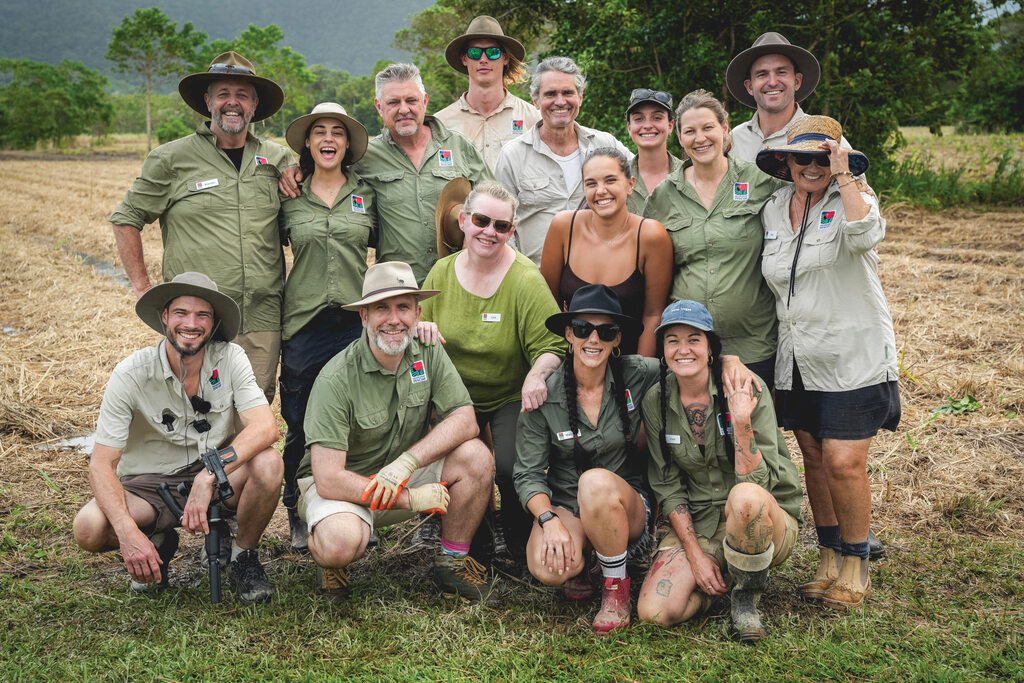
A community planting day on May 16 established 5,000 native trees on an early restoration area. Planning, assessment and feasibility work is continuing across the wider Oxbow footprint.
The approach follows a previous project by the organisation at Nightwings in Wonga Beach, where a decade of replanting on former cane land resulted in a Category A protection rating under Queensland's Vegetation Management Act.
Given the Oxbow's location along the main access route to the northern Daintree, the site may eventually support carefully designed visitor access, such as elevated boardwalks, subject to planning approval and community consultation.
"Securing one-fifth of the project footprint for conservation ownership and ecological recovery is a significant milestone."
“Having one in every five hectares of the Oxbow floodplain under protection is a significant milestone for the project.”
To learn more or get involved, visit: rainforestrescue.org.au/the-oxbow
------------
Want to showcase your business or event with a business feature? Please contact [email protected]