
Stranded ferry is far from the worst it's been
Cape York Roads

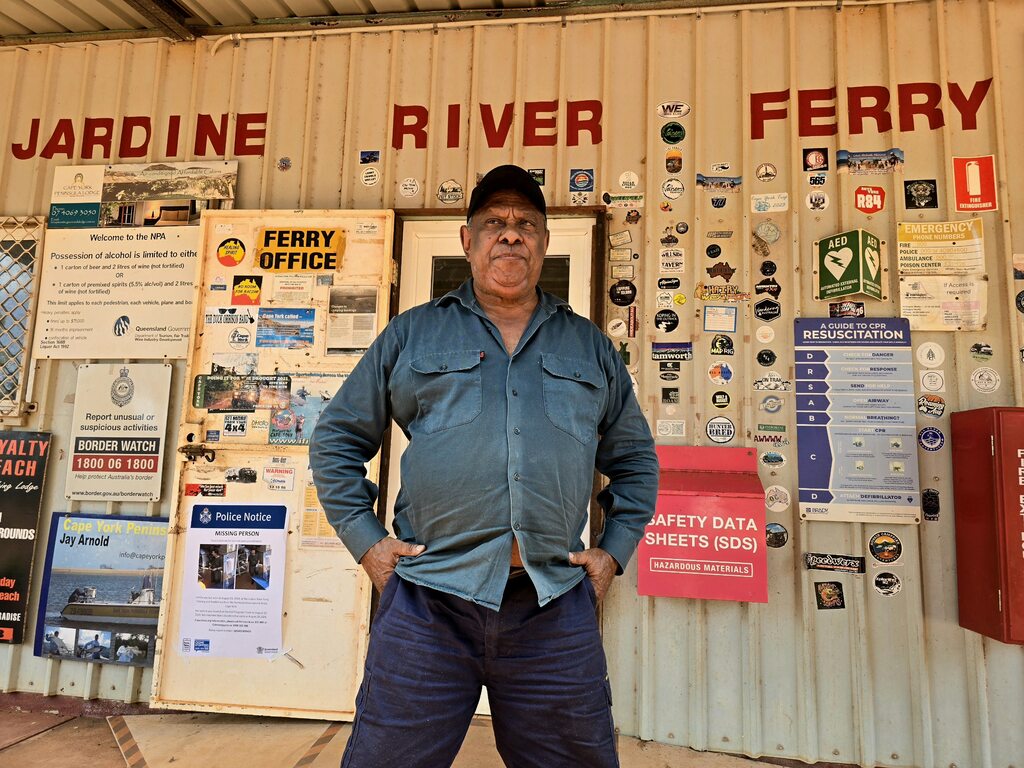
Jardine River Ferry manager Charles Woosup says while it is frustrating there has been no chance yet in 2026 to ferry cars across the flooded Far North crossing for the Northern Peninsula community, it is not the wettest he has seen the region.
Speaking to Newsport on Tuesday, Charles said he had hoped late last week when ferry workers were able to access the ferry infrastructure to assess repairs and maintenance and begin a clean up of the area that it would be back in service soon.
“But the river’s come up a bit again today,’’ he said.
“The current is very strong and we cannot reach the ferry load ramp from the roadside due to the high water.’’
Even the experienced ferry manager had difficulties being able to get to the ferry to check its status.
“There have been no cars across it so far this year,’’ he said.
“It all depends on the weather now.’’
Charles says it is far from the wettest he has seen the region and its impact on the ferry service.
“In the past it has been right up the road a long way,’’ he said.
“It has been so far up the road we couldn’t even see the ferry. We had to out a drone up to check that the ferry was still there.’’
Roadworks and maintenance resulting from flooding and weather conditions are impacting roads across the Cook Shire Council region, with the Emergency Dashboard showing 10 information notices.
Coen, Cooktown, Laura and Lakeland all have notices for various roadworks or hazards. You can check the dashboard at DASHBOARD
Cork Shire Council online advise says: During the wet season, in order to protect the safety of users, the structural integrity of the roads and help to keep supply lines open to towns, stations and communities throughout Cape York, often requires Council to place access restrictions on roads, or close them entirely.
Heavy rains and flash flooding can cause wash outs and lift large sections of bitumen, rending the roads dangerous and impassable.
The wet season also makes sealed and unsealed outback roads soft and vulnerable.
Vehicles travelling over this soft, water-soaked ground cause wheel ruts that hold the water when it rains. The water is then able to seep in further, causing deeper damage and prolonged road closures – the additional damage sometimes taking up to months to stabilise, rehabilitate and repair.
This is why it’s important that all drivers obey road closures and weight restrictions. Non-essential travel along these roads often causes additional, prolonged closures and delays.
If you have extenuating circumstances and no other alternative but to travel along a closed road, you must apply for a permit.