
UNESCO keeps Australia on notice in Reef report
Great Barrier Reef

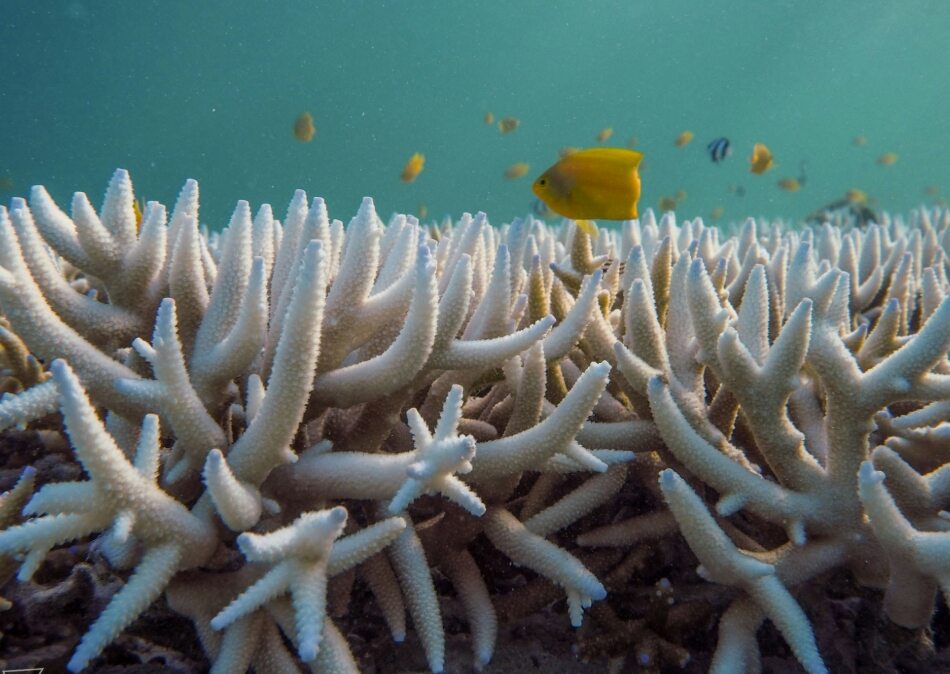
Australia will have to report back on progress to protect the Great Barrier Reef for the fifth consecutive time if the World Heritage Committee accepts its adviser UNESCO’s draft decision on the Reef at the committee meeting in South Korea next month.
UNESCO (the United Nations Educational, Scientific and Cultural Organization) has recommended that Australia reports back in 2028 and lifts its game on climate change and local threats including water pollution and live coral exports from the Great Barrier Reef.
The committee will consider UNESCO’s final decision at its meeting in Busan on July 19-29.
Since coming to power in 2022, the Albanese Government has been asked to report back to the World Heritage Committee on the Great Barrier Reef four times. If the draft decision is accepted, then Australia must report back again in 2028.
AMCS Great Barrier Reef Campaign Manager Dr Lissa Schindler said UNESCO recommending another review in 2028 is an extraordinary level of scrutiny for a developed nation.
“It shows that, while progress has been made, UNESCO remains unconvinced that Australia is doing enough to secure the future of the Great Barrier Reef,’’ Dr Schindler said.
“UNESCO has repeatedly identified climate change, water quality, land clearing and fisheries management as key threats to the Great Barrier Reef's long-term survival. While governments have made progress in some areas, significant gaps remain.
“The Australian and Queensland governments may point to avoiding an ‘In Danger’ listing as proof they are doing enough, but the truth is that one of the world's greatest natural wonders remains under international scrutiny because their efforts are not adequate to secure the Great Barrier Reef’s future.
“Coral reefs are just too important for the world to lose. They comprise just 1 per cent of the ocean area, but are responsible for 25 per cent of marine species. Reefs are the most productive parts of the ocean, like rainforests on land, and Australia is custodian of the world’s largest. We have the Amazon of the oceans in our backyard and we need to treasure it.
“Climate change remains the biggest threat to the Great Barrier Reef, with increasingly frequent marine heatwaves causing six mass coral bleaching events in just the past decade.
“The Australian government has at least increased its targets for cutting greenhouse gas emissions, but at the same time it continues to approve new coal mines and gas drilling and the country remains one of the world’s largest exporters of fossil fuels.
“Meanwhile, the Queensland Government, the joint manager of the Reef, has no plan to achieve its legislated 75 per cent emissions reduction target, and continues to push coal-fired power generation while renewable energy projects are blocked or shelved. This is the opposite of what the Reef needs.’’
Dr Schindler said Australia has never hit its Reef-wide water pollution reduction targets despite extending the deadline three times since they were set in 2009. At current reduction rates, it would not have hit the target to cut nitrogen pollution from excessive fertilisers until the next century.
“The Queensland government’s recently announced $330 million funding to address water pollution is welcome, but its water quality strategy fails to provide a clear, costed pathway for achieving the pollution cuts needed to protect the Reef,’’ she said.
“The Great Barrier Reef remains one of the most extraordinary natural wonders in the world. It’s also an economic powerhouse for Australia. It contributes $9 billion to the economy every year and is the nation’s fifth biggest employer, supporting 77,000 jobs. We shouldn’t need UNESCO to tell us we need to do more to protect it.”