
Rapidly rising whale numbers prompts warning to keep your distance
FNQ environment

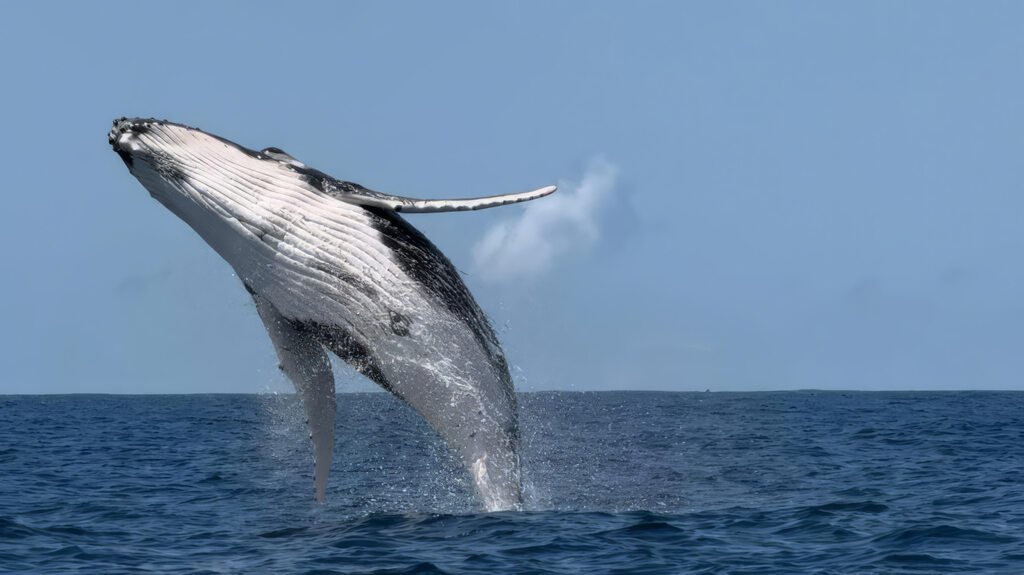
There are more humpback whales migrating through the Great Barrier Reef than there have been for at least 60 years, with more than 50,000 passing through Far North Queensland waters this season.
Industrial whaling six decades ago reduced humpbacks numbers to less than 500 whales, prompting scientists to say this is one of the greatest conservation success stories ever.
But experts warn the massive resurgence is bringing a new challenge - keeping people away from the huge mammals.
New Great Barrier Reef Marine Park Authority data reveals possible offences involving people unlawfully swimming or interacting with whales increased six-fold last season, from two incidents reported by members of the public in 2024 to 12 incidents reported in 2025.
Reef Authority chief scientist Dr Roger Beeden said the resurgence of the east coast population posed a fresh test for reef management.
“More whales are now moving through busy waters used by commercial shipping, tourism vessels, yachts, tenders, recreational boats and visitors,” Dr Beenen said.
“More megafauna and more people sharing the Marine Park means we need to find the right balance between experiencing these extraordinary animals and giving them the space they need.”
Research shows the population may be approaching a natural turning point of about 60,000 whales in the next few years.
In 2025, about 408,000 domestic overnight visitors and 230,000 domestic day-trippers went whale watching in Queensland, contributing close to $670m to Queensland’s economy.
“The return of the humpback shows what conservation can achieve,” Dr Beeden said.
“Our challenge now is learning how to coexist with that success.”