
Baby bat season begins for endangered flying-foxes
Wildlife protection
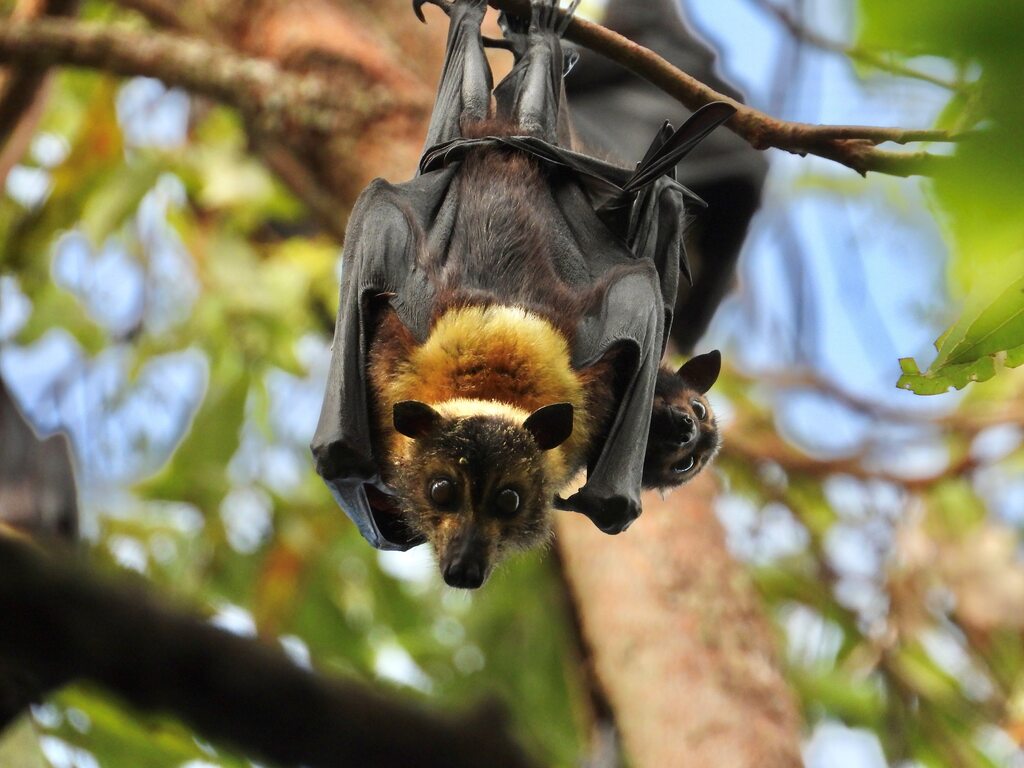
Conservationists are urging Far North Queensland residents to give flying-fox mothers and their babies space as the annual birthing season gets underway.
Endangered Spectacled Flying-foxes are beginning to give birth across Far North Queensland, with maternity roosts expected to become busier over the coming months.
The native fruit bats give birth to just one pup each year, making every new arrival important for the recovery of the species.
Wet Tropics Wildlife Rescue Coordinator Kristy Jensen said Spectacled Flying-foxes congregate at maternity roosts during spring and summer.
“The birthing and nursery season typically runs from September through to March, and numbers at maternity roosts can increase significantly during this time,” Ms Jensen said.
“Many maternity roosts are in urban areas and, while having a roost nearby can be challenging for residents, this is seasonal behaviour. By Easter, most roosts will have dispersed to other locations.”
Wildlife carer and FNQ Wildlife Rescue Bat Coordinator Cheryl Hudson said hundreds of flying-fox pups are orphaned or separated from their mothers each year.
“Last year, almost 400 orphaned pups were rescued in the Cairns region alone,” Ms Hudson said.
“Flying-fox mothers carry their young constantly during the first few weeks of life, so this is a particularly vulnerable time.
“Mothers and pups can become separated when roosts are disturbed by loud noises, severe weather or other disturbances.”
Spectacled Flying-foxes play an important role in maintaining healthy rainforests, pollinating flowering plants and dispersing seeds over large distances as they move through the landscape at night.
The species faces significant threats including climate change, habitat loss, paralysis ticks, entanglement in barbed wire and powerlines, and human disturbance.
A severe heatwave in 2018 caused mass deaths of Spectacled Flying-foxes, contributing to the species being listed as endangered.
Ms Jensen said recent monitoring had shown encouraging signs of population recovery, but significant threats remained.
“With summer approaching, every pup matters,” she said.
“Giving mothers and their babies a safe, undisturbed place to raise their young is one simple way the community can help.”
How residents can help
Residents can help protect flying-fox mothers and their young by:
- staying out of flying-fox roosts
- keeping dogs away from roost areas
- avoiding shining lights into roosts at night
- avoiding loud noises directly beneath roosts
- never touching an injured, sick or orphaned flying-fox.
If you find a sick, injured or dead flying-fox, do not touch it. If it is safe to do so, cover it with a towel, box or blanket and contact FNQ Wildlife Rescue on (07) 4053 4467.
Spectacled Flying-foxes are protected under Queensland and Australian Government legislation. Disturbing or harming flying-foxes or their roosts may result in significant penalties.
For more information, see Terrain NRM’s Spectacled Flying-fox FAQs.
This project is supported by the Australian Government through funding from the Natural Heritage Trust and the Saving Native Species Programs.