
New rules would let harvesters take Great Barrier Reef coral mid-bleaching
DELAYED ACTION
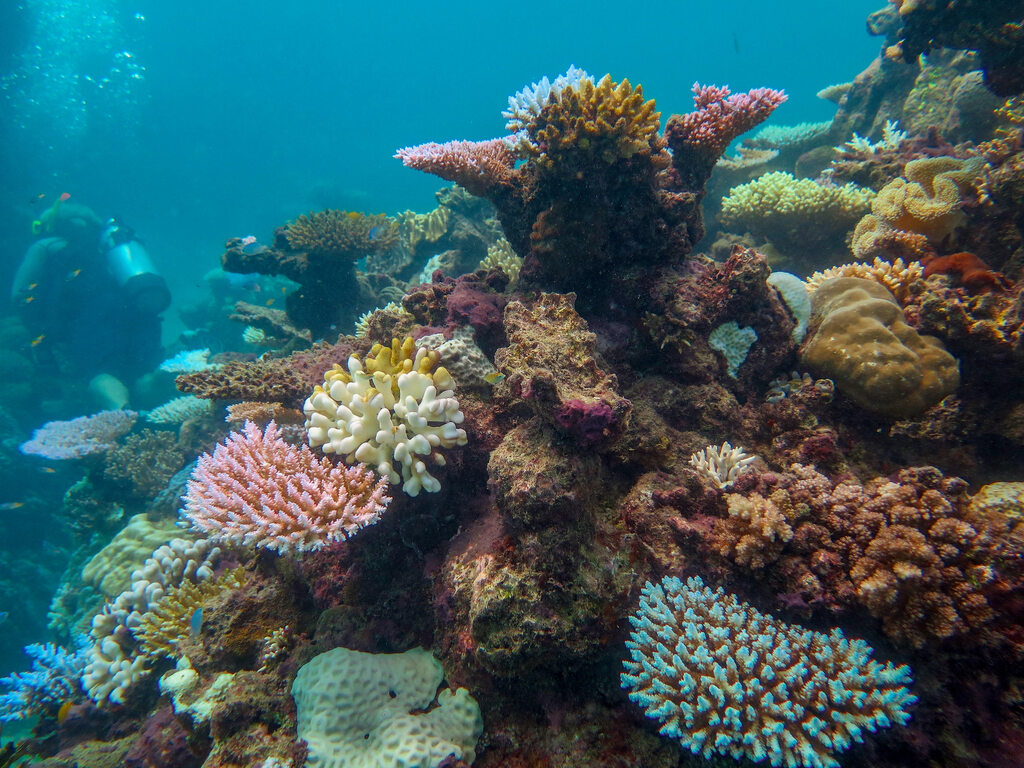
Coral harvesters would be allowed to keep chipping away at the Great Barrier Reef for overseas aquarium exports even during a severe mass coral bleaching event, conservation advocates have warned.
The warning from the Australian Marine Conservation Society (AMCS) comes as Fisheries Queensland releases new draft rules for the commercial industry.
Each year, commercial operators can take up to 190 tonnes of coral from the Reef, with much of it sold to private aquariums overseas.
Environmental groups say corals need far stronger protection as warmer waters, heatwaves, and cyclones continue to stress the marine park.
Late emergency action
The state government wrote the draft plans to meet federal rules required to keep selling coral overseas.
Without an approved response plan for severe weather events, export permissions could be revoked.
However, the ACMS warns the proposed plan waits far too long to act.
AMCS Great Barrier Reef Fisheries Campaign Manager, Simon Miller, said the severe event response plan is meant to protect corals when a major disturbance such as a mass bleaching event hits the Great Barrier Reef
"The draft plan, however, does not protect corals from being taken for export until months’ worth of heat stress has built up and many different types of corals have bleached and died,” he added.
Mr Miller said reefs damaged by severe heat or storms should be closed to harvesting immediately. Leaving resilient corals in the water is essential to help the Reef naturally recover.
Unverified video loophole
The conservation group also raised concerns over how closures would be enforced.
Under the draft rules, harvesters could overturn emergency closures by submitting video or photos showing small patches of healthy coral.
The AMCS argues this footage would be almost impossible to verify independently when the broader surrounding area is severely damaged.
At the same time, the draft strategy could allow a 50 per cent increase in total harvesting days, an increase the government currently labels as only a "moderate risk."
"Fishing effort increases of 10 to 20 per cent would raise major alarm bells in any other fishery, so it’s highly concerning that a 50 per cent increase wouldn’t be considered high risk for reef-building corals in a World Heritage-listed Reef," Mr Miller said.
The AMCS is urging Fisheries Queensland to rewrite the plan and trigger fishing closures much earlier when heatwaves strike.
"Fisheries Queensland must go back to the drawing board for its coral fishery harvest strategy to deliver a more cautious approach to managing the direct take of hundreds of thousands of mature corals from the Great Barrier Reef," Mr Miller said.