Port Douglas marine biologists celebrate 40 years on the Reef
REEF BIOSEARCH


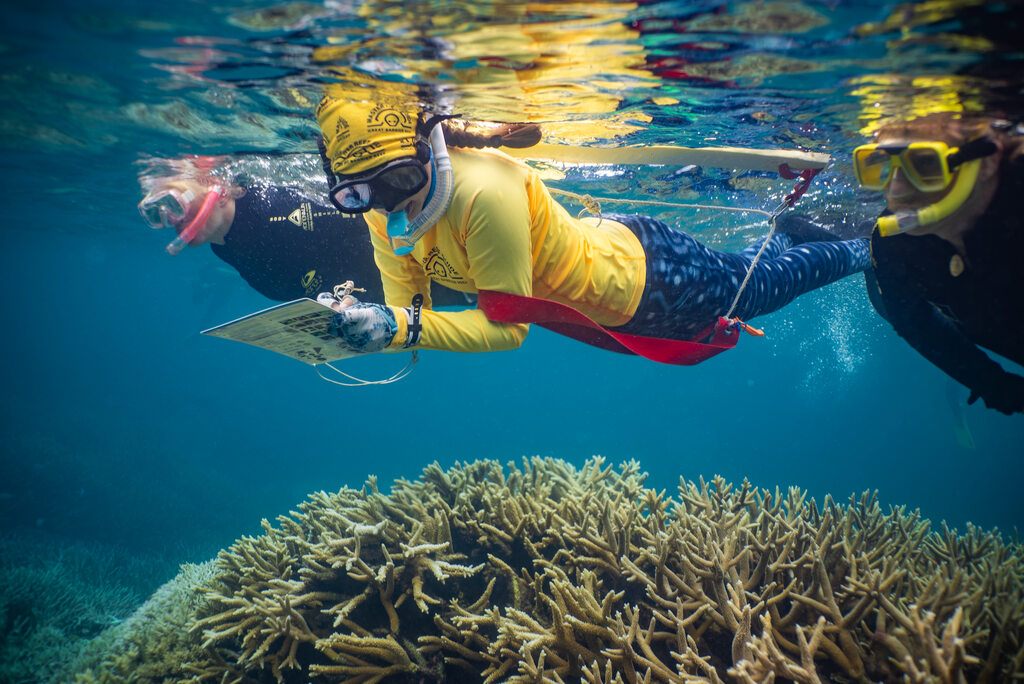
Reef Biosearch, one of the oldest private environmental and research initiatives on the Great Barrier Reef, is celebrating its 40th anniversary this year, marking four decades of shaping local marine education and citizen science.
Operating out of Port Douglas, the Quicksilver Group is celebrating 40 years of Reef Biosearch, its pioneering environmental division that has spent four decades helping shape reef education, monitoring and conservation on the Great Barrier Reef.
What began in 1986 as onboard educational talks for daily boat passengers has quietly yielded the longest continuous database of marine observations on the reef.
Over the past 40 years, data collected by its team of marine scientists helped lay the groundwork for the Great Barrier Reef Marine Park Authority’s (GBRMPA) “Eye on the Reef” program, now a global standard for reef monitoring.
Shaping education and stewardship
From paving the way for GBRMPA’s Eye on the Reef program to piloting Ecotourism Australia’s accreditation model, the initiative reinforces how tourism operators play a vital role in reef protection.
Founded in 1986 before ecotourism was widely embraced, Reef Biosearch began with marine biologists giving educational slideshows to passengers.
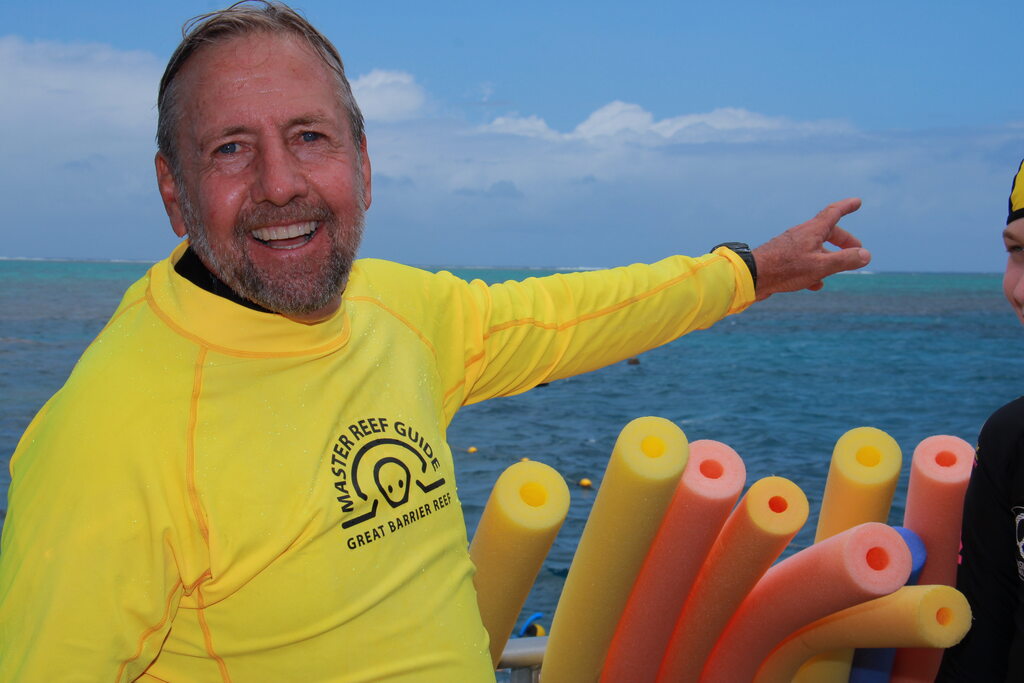
Today, a team of more than 20 marine biologists and Master Reef Guides combines education, conservation, and research across daily reef experiences.
Along the way, they have maintained a 40-year record of marine observations, providing vital long-term data on environmental change.
Witnessing reef resilience first hand
Reef Biosearch marine biologist Dr Glen Burns first arrived in Far North Queensland as a research scientist in 1984 before joining the team in 1989.
“I've worked on the Reef for more than 40 years and I've witnessed extraordinary changes, but not all of them have been bad,” said Dr Burns.
“I’ve seen severe cyclones pulverise reefs, Crown of Thorns Starfish outbreaks decimate areas, and bleaching events in 2016 and 2017 destroy coral cover, and then I watched the reef grow back.
“One of the things that amazes me is the reef's natural resilience and ability to bounce back time and time again. Witnessing that capacity to regenerate gives me hope for its future.”