Daintree receives landmark $5.33 million gift to conserve and recover the Oxbow floodplain
RECORD FUNDING


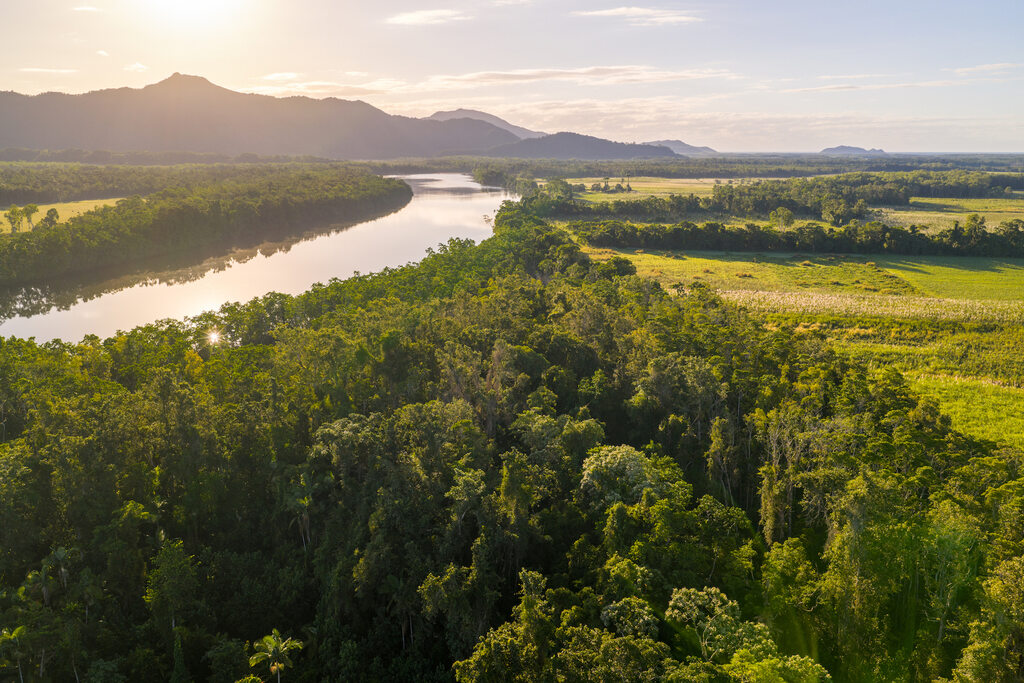
A historic $5.33 million donation from the Wright Burt Foundation will supercharge ecological recovery in the Daintree Oxbow, marking the largest gift in Rainforest Rescue’s 27-year history.
The contribution is part of a $120 million environmental pledge distributed among 10 prominent Australian conservation bodies, including Bush Heritage Australia, the Australian Wildlife Conservancy, and the Great Barrier Reef Foundation.
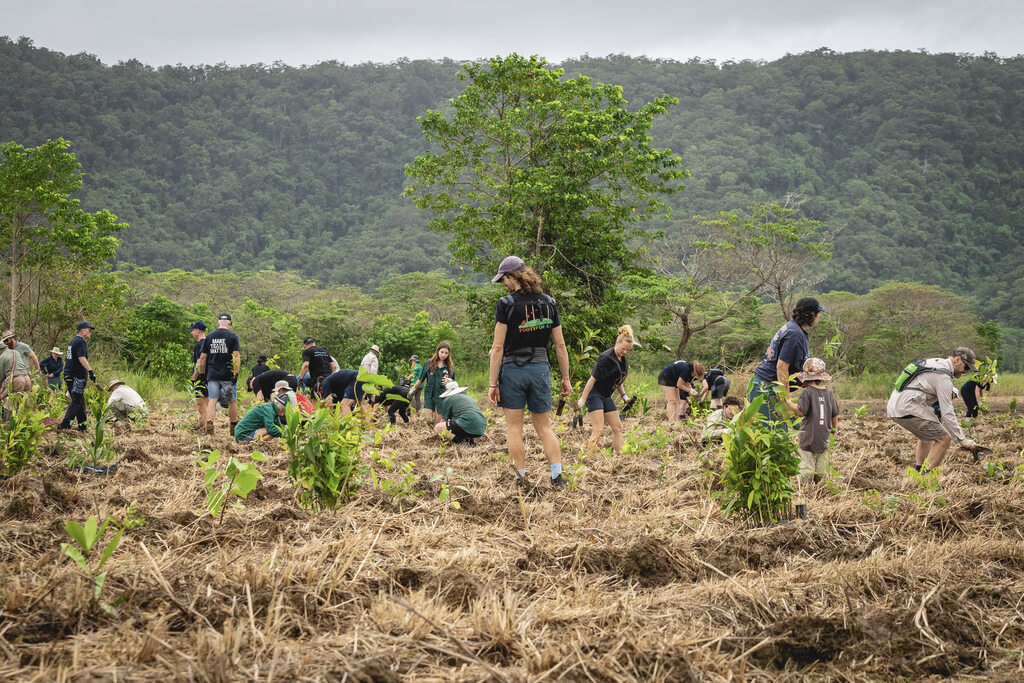
Rainforest Rescue is the sole recipient focused specifically on the Daintree.
Most of the funds will directly support purchasing and managing critical land across the Daintree River floodplain,while the rest will strengthen the organization’s capacity for this multi-decade undertaking.
Rainforest Rescue CEO Branden Barber highlighted the broader ecological and economic benefits:
“In the Daintree, we’re beginning to restore whole landscapes, from seed to canopy, reconnecting rainforest to wetland to river to Reef,” Mr Barber said.
“For a century, this land was valued for what could be taken from it.
“Now we can value it for what it gives back as a nationally significant wetland area: cleaner water for the Reef, habitat for threatened native and migratory species, local jobs, and reasons for visitors to come.”
Australia’s tropical rainforests cover just 0.1 to 0.2 percent of the continent but house the 180-million-year-old Daintree, which predates the Amazon.
Julian Wright of the Wright Burt Foundation praised Rainforest Rescue’s vision:
“Their goal is simple: to correct the over-clearing and put back what should have never been erased,” Mr Wright stated. “
Focused on areas of low agricultural benefit, the Rainforest Rescue team are increasing the area under rainforest, bringing communities together.”
The donation comes as public funding for conservation remains scarce. According to the Biodiversity Council, on-ground nature initiatives received just 0.06% of the 2026–27 federal budget—or $1 in every $1,667—with support projected to drop 46% by 2028–29.
While philanthropy cannot replace government funding, Mr. Barber emphasized its role in showing what is possible:
“Ecological recovery is becoming a movement, not just a project,” he said.
“Landholders, Traditional Owners, scientists and funders are all realising that recovering nature and building a strong regional economy are the same job.”
Although the grant accelerates planned milestones, Rainforest Rescue noted that securing further floodplain land and restoration approvals will require ongoing support from partners and community donors.