Can you find a cane toad at your place?
Toad Numbers



Can you find a cane toad in your backyard?
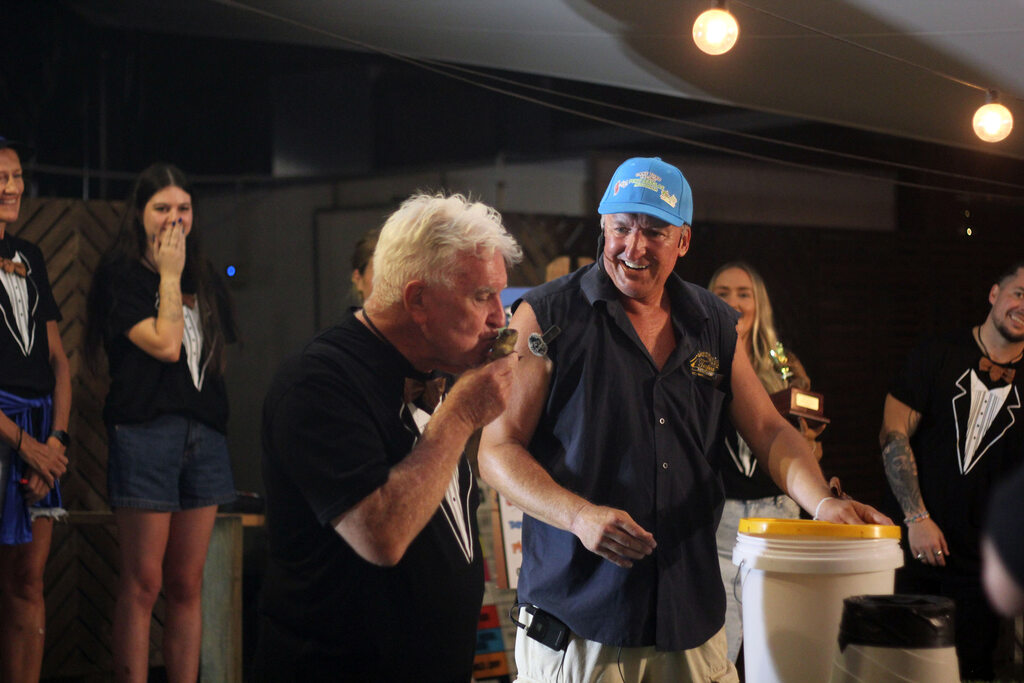
For most, the answer is far different to what it would have been 20 years ago, suggest Port Douglas Cane Toad Racing convenor Nick Gibson.
And while Nick has his racing toad supplies covered with regular expeditions to Sheraton Golf Course, the toads are not in as plentiful supply in the Douglas Shire as they once were.
“If you know where to look you can find them, but there’s definitely been a reduction since the days 20 years ago when you could shine a torch across a field and they were everywhere,’’ he said.
Nick has some of his best racers at the ready for a special racing session at Chilli’s tonight, August 19, when locals are encouraged to get along for a special night of Cane Toad Racing with some “familiar faces” attending and a chance to land your mug on television.
And while he is all set with toads for the foreseeable future, he has contemplated what the reduction in cane fields with the shutdown of the Shire’s sugar industry will have on the toads.
“It’s a good question. All they need is a field or golf course and they will find ways to habitat,’’ he said.
“If lots of housing goes in though, that will put more pressure on them. It won’t help the population.
“The feedback I get in the shows from tourists is around where to find toads as people visiting expect them to be everywhere. You’ll get a kid at times in shows all excited that they have seen one in their resort.’’
The seeming reduction in cane toad population locally is against the concerning trend around the country, with experts saying the spread of toads is expected to almost double in its size of 1.2 million square kilometres to over 2 million square kilometres in the next 20 years.
A pest by all accounts - unless racing for tourists - Cane toads consume a wide variety of insects, frogs, small reptiles, mammals and even birds.
They produce toxic venom from skin glands. Native predators that die after eating, or attempting to eat, cane toads include goannas, freshwater crocodiles, tiger snakes, red-bellied black snakes, death adders and quolls. A total of 75 species of Australian lizards, crocodiles and freshwater turtles are threatened by cane toads; 16 of these are classed as 'threatened species' at federal or state levels.
Cane toads can harm domestic animals if eaten and they can transmit diseases such as salmonella to humans.