New child bail laws passed despite expert warnings
Queensland courts



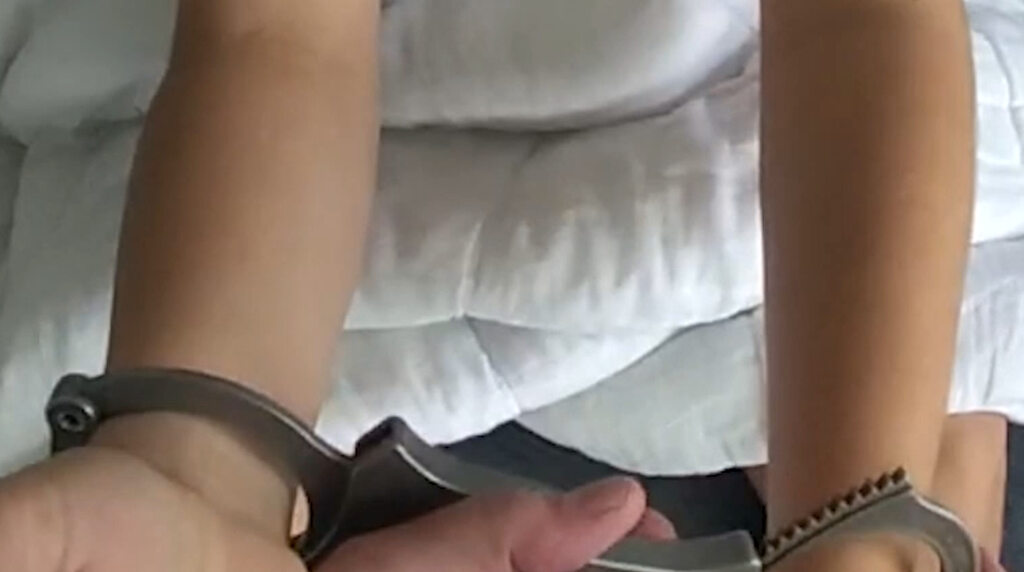
Laws to make 10-17-year-olds on bail wear home-detention bracelets have been passed by the State Government despite warnings from experts about the move.
Premier David Crisafulli said he was “restoring safety in Far North Queensland” after the new youth-bail laws passed through State Parliament last week, but a host of frontline youth-service providers and legal professionals have expressed concerns about the new bill.
They said the changes may have the effect of trapping more children in the justice system and creating more entrenched long-term criminals.
The new laws mean courts can impose a GPS tracker as a bail condition for any offender aged 10-17.
“The Bill delivers some of the strongest youth bail monitoring laws in the country and is another step towards delivering on our promise to make Far North Queensland safer,” according to a Government statement released last week.
“Electronic monitoring devices have been found to reduce the likelihood of reoffending by 24 per cent.”
Youth Justice Minister Laura Gerber said the new laws were partly about reducing victim numbers.
“By putting more GPS trackers on youth offenders on bail, alongside intensive support services, we will reduce reoffending, have fewer victims of crime and safer communities,” Minister Gerber said.
But a long list of frontline youth-service providers and legal-industry professionals last month appeared before a Government review committee to argue against the inclusion of 10-14-year-olds in the new laws.
Queensland Law Society president Peter Jolly was one of several legal professionals to outline why his association did not support EMDs for 10-14-year-olds.
“The use of visible ankle monitors causes significant trauma, which often leads to social isolation and disengagement from protective factors like education and employment,” he said.
“EMDs have a net-widening effect, trapping children within the justice system by exposing them to additional penalties for technical breaches such as battery depletion.”
He said the proposed amendments were likely to result in an increase in the number of young people held in detention.
“This significantly widens the net of children under 24/7 surveillance, potentially increasing contact with the criminal justice system.”
And he said expanding the scheme to regions such as FNQ was also problematic.
“A major consequence of statewide expansion is the unreliable telecommunications infrastructure in regional and remote Queensland.
“EMDs require constant mobile connectivity to function.
“Without it, they produce no-communication alerts or fail to track location entirely, which can lead to children being unfairly reprimanded or breached, particularly in remote communities.”