Douglas construction projects face further squeeze on workers
Construction Industry



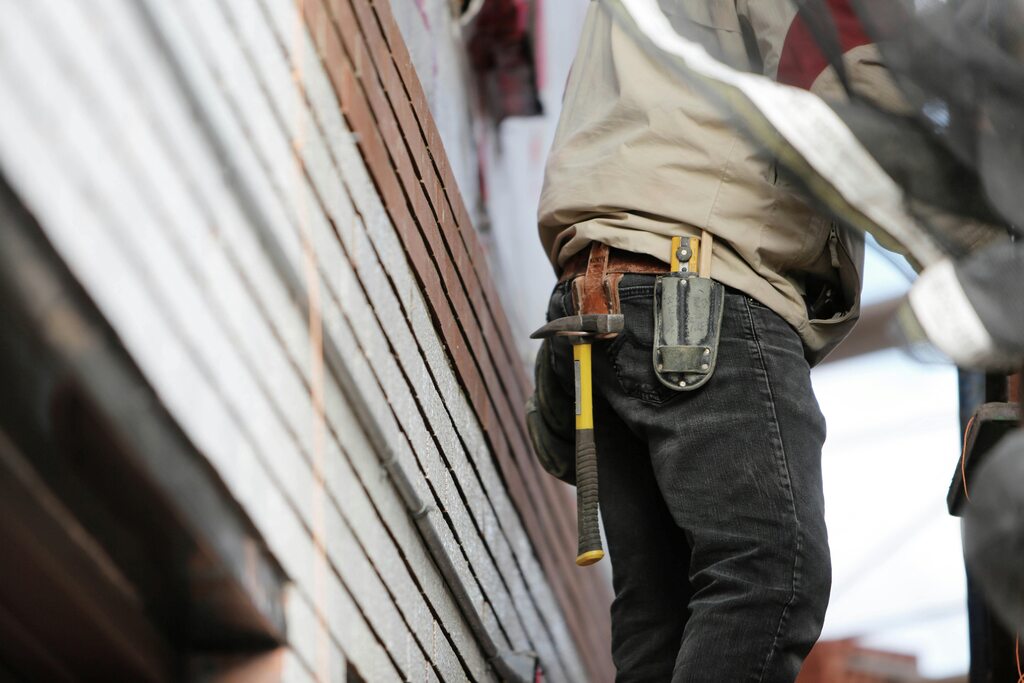
A construction worker shortfall expected to peak at up to 35,000 in just 12 months is expected to bite hard on Douglas Shire where already construction costs and timelines are blamed for stalling progress of the region.
The Construction Skills Queensland Horizon 2032 report released last week detailed the state has entered a sustained construction super-cycle, with activity forecast to remain at historically high levels through to 2031/32.
The report projects an extra $9b in average construction activity each year across the next seven years compared with current levels, and $15b extra in 2027/28.
The construction pipeline will average $69 billion per year, peaking at $75 billion in 2027/28, driven by housing, energy, health, transport, 2032 Games-related projects, and other infrastructure.
But with residential construction across the state rebounding after several years of decline, with dwelling approvals rising 16 per cent in 2024/25 and continuing to strengthen into 2025/26, high costs, labour shortages and delivery backlogs continue to limit how quickly new supply can come online.
Over the past 12 months in Douglas Shire, there have been 179 new building approvals, peaking at a monthly high of 26 for last October.
Northern Building and Construction’s Will Verri said he had faced a constant battle securing tradesmen and contractors for such projects.
Mr Verri said he draws trades from Cairns and across the Tablelands.
“We love our local tradesmen but it is a desperate effort to ensure we have trades to be able to do this work and it is a constant effort to keep trades for the region.’’
CSQ Chief Executive Officer Geoff Clare said the findings of the Construction Skills Queensland Horizon 2032 report highlights both the scale of opportunity and the delivery challenge facing the state.
“Queensland is not facing a short-term upswing, this is a prolonged construction super-cycle,” Mr Clare said.
“The volume of work will be strong and sustained in response to population growth, major public investment and the transition to new energy systems.
“The challenge is ensuring we have the workforce capacity to deliver it.”
Workforce capacity remains the key constraint Construction labour demand is projected to rise 17 per cent by 2027/28 from 2025/2026, with an average shortfall of around 19,100 workers across the seven-year period and a peak shortfall of up to 35,000 workers in 2027/28.
“Workforce constraints are a key challenge affecting the timely and cost-effective delivery of projects in our pipeline,” Mr Clare said.
“The industry is already grappling with a worker shortfall that is projected to reach 15,000 this year. That is forecast to more-than-double in a few short years, unless new sources of skilled labour can be unlocked, and quickly.’’
Demand is broad and sustained building activity accounts for 61 per cent of the total pipeline driven largely by residential construction and is projected to peak in 2027/28.
Queensland’s energy transition and the 2032 Games delivery will further lift demand, with $11.2 billion in Games related construction scheduled through to 2031/32 and labour demand for the Games projects peaking at nearly 8,000 construction workers in 2030/31.
Skills, productivity and participation are critical. The construction pipeline will sustain strong demand across many occupations, with the greatest pressure on core trades and operators including carpenters, electricians, plumbers, concreters and plant operators – many of which are already classified as persistent national shortages. While apprentice numbers remain above pre-pandemic levels, commencements have fallen around 30 per cent from their 2021/22 peak, highlighting the importance of retention and completion.
Improving productivity, workforce participation and diversity, including greater participation by women, Indigenous Australians and skilled migrants, will be essential to meeting future demand.
“The message is clear,” Mr Clare said. “Without sustained action to grow skills, lift productivity and broaden participation, labour constraints will continue to drive delays and cost pressures across Queensland’s construction pipeline.”