"Act quickly": Port mum's mud disease warning
Health warning



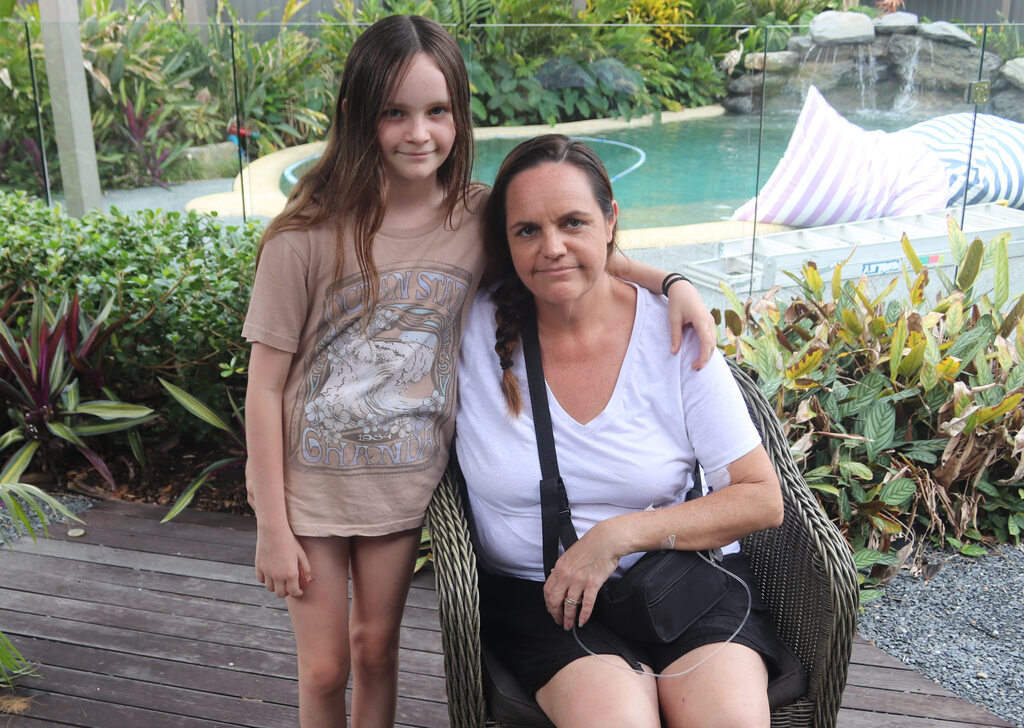
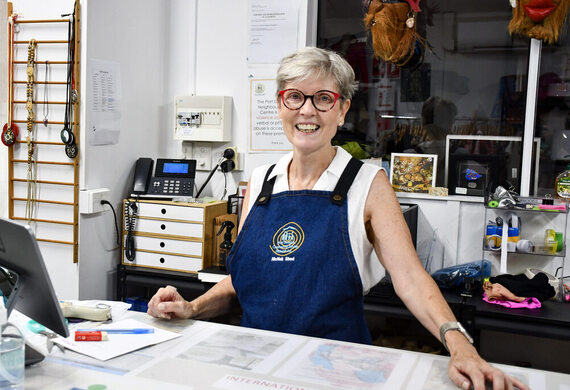
Port Douglas mum of three Brooke Rigby has issued a strong warning to her community about the need to take action at the first signs of illness, as the 44-year-old ED nurse recovers from the impacts of melioidosis disease.
Brooke will spend six weeks doing daily intravenous antibiotic sessions, and a further six months of medication, having undergone emergency lung surgery after being diagnosed with the condition commonly called “mud disease” when she fell critically sick during her Christmas family holiday.
“I have been immune compromised since 2019 but I’m not a sickly person,’’ Brooke said.
“I am exposed to flu and viruses at work in the emergency department and I rarely get unwell.”
It was while on holiday on Lord Howe soon after Christmas that Brooke fell unwell.
“I was feeling so well over Christmas and I look so well in those photos,’’ Brooke said.
“We got to Lord Howe on December 29, it was a trip we had planned and saved for for two years. And I just slept, I was so fatigued.
“I slept for 36 hours straight and wasn’t able to eat. It was really awful.’’
A trip to the small Lord Howe medical clinic led to the discovery of a respiratory sepsis and they moved quickly to a mission to get Brooke off the island and to Sydney’s Prince of Wales Hospital where she would spend a month, including six days in the ICU.
“It was frightening… to realise just how quickly I got sick and so sick,” Brooke said.
The abscess on Brooke’s left lung worsened and required surgery. It means the water and diving enthusiast who has spent more than 20 years diving the reef and surrounds of Port Douglas, will never be able to dive again.
But Brooke counts herself lucky she was aware of melioidosis as it is not a typical condition seen in Sydney where she was raced into emergency.
She says her encouragement of medical staff to explore tropical diseases was essential in identifying the issue quickly and treating it swiftly.
“The source of the infection is still unknown… I am so low risk of getting melioidosis,’’ she said.
“I don’t garden - I think I mowed the lawn twice last year - and I don’t play in the mud or do high-pressure cleaning, the ways you can be exposed to the disease.
“But there are two potential ways I might have been exposed. One could be driving past roadworks on my way to Cairns, the other, my husband does work in the mud, and while I might have got it from his uniform, that seems unlikely also.
“He is pretty good that he does the washing of his work clothes himself but I have done it a couple of times.’’
With Brooke still searching for a source of her melioidosis infection, and thinking it could be from something as innocent as doing the washing that her life has been turned on its head, she has moved to warn Douglas Shire residents about the dangers of melioidosis.
“The sooner you can get checked out for it when you are unwell, the less impact it is likely to have,’’ she said.
“The only symptoms I had were that I was really tired, and once I got to the clinic I had a fever."
The Cairns and Hinterland region experienced a record-breaking outbreak of melioidosis in 2024-25, with 120 cases and 15 deaths reported. This outbreak was linked to record rainfall, with a strong correlation between weekly rainfall and the number of cases.
Public Health Registrar Dr Matthew O’Bryan emphasised the importance of understanding risk factors like diabetes, lung disease, and hazardous alcohol use, and the influence of rainfall, to better target prevention and awareness efforts.
As of January 19, 16 cases of melioidosis disease were confirmed across Queensland: six in Cairns and surrounds, five in the Townsville region, one in the Mackay region and another one in the Torres and Cape regions.