The simple backyard check that could save Queensland millions
ELECTRIC ANTS



BUSINESS FEATURE
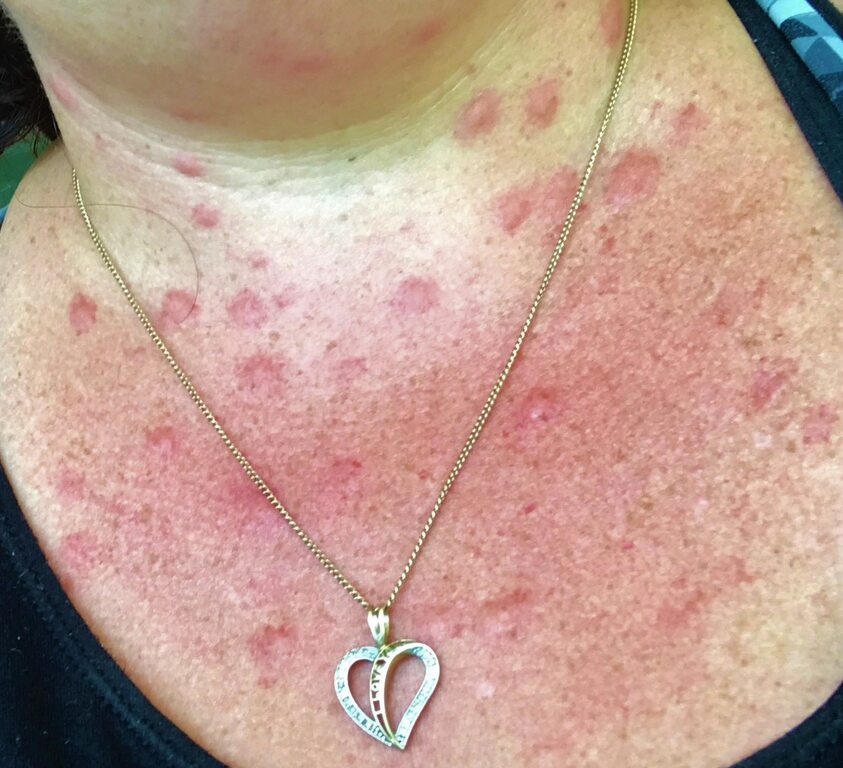
It is a tiny creature, but it packs a punch that earns its name. Beyond delivering painful, venomous stings to humans and blinding animals, the electric ant poses a much larger threat. It quietly threatens Queensland’s biodiversity, agriculture, human health, wildlife, and economy.
Native to Central and South America and recognised globally as one of the world's worst invasive species, these aggressive and highly adaptable pests disrupt native ecosystems by outcompeting local species and threatening farming productivity.

In Far North Queensland, infestations currently span from Bingil Bay in the south to the Daintree region in the north, as well as across the Tablelands.
If left unchecked, their spread could cause millions of dollars in environmental damage, medical costs, and lost agricultural productivity.
To combat the threat, this invasive pest has been targeted by Biosecurity Queensland’s National Electric Ant Eradication Program (NEAEP) since 2006.
This dedicated task force fights on the front lines to achieve total eradication, safeguarding the region's future from the devastating impacts of this micro-invader.
How is the NEAEP tackling the problem?
To tackle the problem, the program combines proactive, targeted and scheduled surveillance, and surveys almost 300 sentinel sites on regular schedules to detect infestations early with community engagement to encourage reporting.
The eradication team utilises innovative technologies, including deploying highly trained odour-detection dogs to help locate the ants and specialist drones to deliver treatments
These methods have proven highly effective, resulting in several previously infested areas now being declared entirely free of electric ants.
Community involvement is key
Because these pests are easily transported by people and floodwaters, the ultimate success of the program depends heavily on the support of local residents, landowners, and businesses.
Community members are encouraged to report sightings of suspect ants and register their properties for free surveillance and annual yard checks.
Notably, over 43 percent of new infestations are detected during these property checks, underscoring the vital role of public participation in preventing further spread.
By eradicating electric ant infestations, the program works to protect Queensland’s agricultural industries, unique biodiversity, and local communities.
Residents can get involved by visiting www.dpi.qld.gov.au/anthunt or calling 13 25 23 to arrange a free yard check.
------------
Want to showcase your business or event with a business feature? Please contact [email protected]