WATCH THE VIDEO: Reef mass coral-spawning event wows watchers
FNQ tourism



The annual synchronised coral spawning main event has been taking place on the Great Barrier Reef this week.
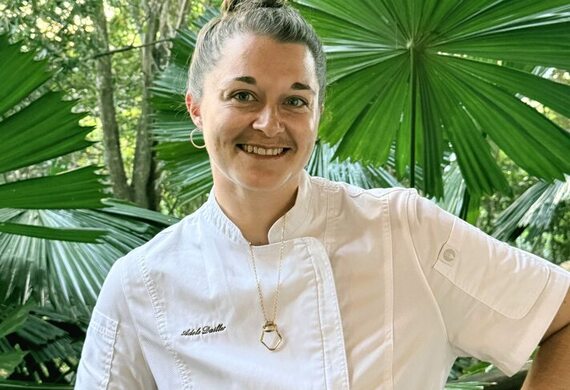
Described by reef guide Michelle Barry as an “underwater snowstorm of coral sperm and eggs”, spawning time in December, as well as November and October, is one of the most popular yearly reef events on the Far North Queensland calendar.
Marine biologist Ms Barry said being underwater on Tuesday night was “absolute chaos in the best possible way”.
“At one point I completely lost visibility - there were so many eggs and sperm in the water it felt like being caught in a pink underwater blizzard,” she said.
“As trillions of tiny coral larvae form and drift, every creature on the Reef gets involved.
“It’s incredible to witness,” she said.
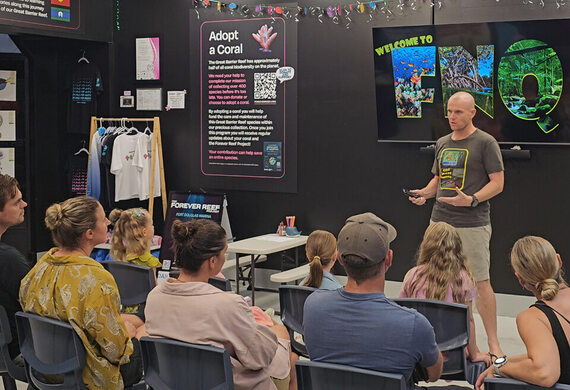
The Sunlover marine biology team conducts weekly surveys and long-term monitoring as part of the Federal Government’s Tourism Reef Protection Initiative.
Following the December spawning, the team will complete annual pre-summer surveys.
Marine biologist Abbi Robinson says this data helps with understanding Reef health.
“The mass spawn shows the corals are healthy and resilient - reproduction at this scale is a strong sign they're still adapting,” she said.
“But climate change remains the biggest threat to coral reefs worldwide.
“Monitoring gives us a clear picture of how our section of the Reef is coping.”
Mass coral spawning is generally triggered by the November full moon, but different coral species follow different biological clocks - some wait for optimal water temperatures in December.
There are two distinct spawning windows: a warm-up in November followed by a larger, synchronised event in December.
Entire colonies of corals release their eggs and sperm bundles simultaneously, which typically occurs one to six nights after the October, November and December full moons.
Once the sperm fertilise the eggs, they develop into tiny larvae and settle on the reef, growing into new coral colonies.
It usually happens at night, with many other marine creatures spawning alongside the corals to help protect against predators.
Support public interest journalism
Help us to continue covering local stories that matter. Please consider supporting below.