Forever Reef Project wins $10,000 grant for free community tours
REEF LITERACY


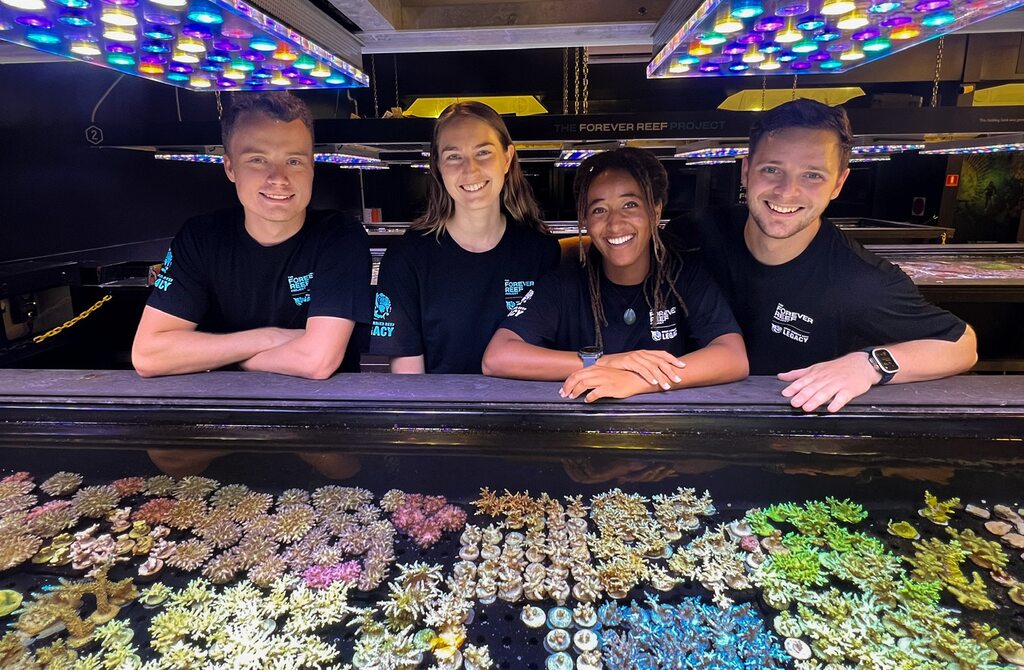
The mission to safeguard the Great Barrier Reef has gained significant momentum following the announcement of a $10,000 council grant awarded to the Forever Reef Project.
This funding is set to transform the initiative’s reach, fueling the launch of the Forever Reef Community Open Weeks and Guest Speaker Series.
Managed by GBR Legacy, the program is designed to bridge the gap between high-level marine science and the local community, ensuring that the secrets of coral preservation are accessible to everyone rather than being tucked away in a lab.
Through this new financial injection, the project will roll out an extensive schedule of free community guided tours, providing a rare look at the world’s first living coral biobank.
These tours are paired with guest speaker sessions featuring leading voices in marine biology and hands-on educational workshops tailored for all ages.
Jenna Rumney from Great Barrier Reef Legacy said the main driver behind the program was to remove barriers to access and invite the local community into the project in a meaningful way.
"While we welcome visitors year-round, we know that cost can sometimes prevent locals from engaging with experiences like this," Ms Rumney said.
"This grant allows us to open our doors and offer free tours and workshops during a time when the community is already coming together for Carnivale."
By removing the cost barrier, the initiative aims to significantly increase reef literacy, vital metric in the ongoing effort to foster a culture of informed environmental stewardship along the coast.
The program will offer one free guided tour per day, Monday to Friday, across the two weeks leading up to Carnivale.
Additionally, a dedicated guest speaker day on Saturday, May 23, will feature five one-hour talks covering topics ranging from mangrove ecosystems and deep reef exploration to broader marine conservation challenges.
The core of the Forever Reef Project acts as a biological insurance policy, housing living fragments of coral to protect the genetic diversity of the reef against the threats of climate change. With the council’s support, GBR Legacy is now able to turn this "living ark" into a classroom.
Ultimately, Ms Rumney hopes the community walks away with a deeper connection to the ecosystem.
"Coral reefs are not just something to admire, they are living, complex ecosystems that we are deeply connected to, and they need our care," she said.
"It’s about shifting from passive appreciation to active stewardship."