Rangers unite to protect western Cape turtles
Cape York NRM


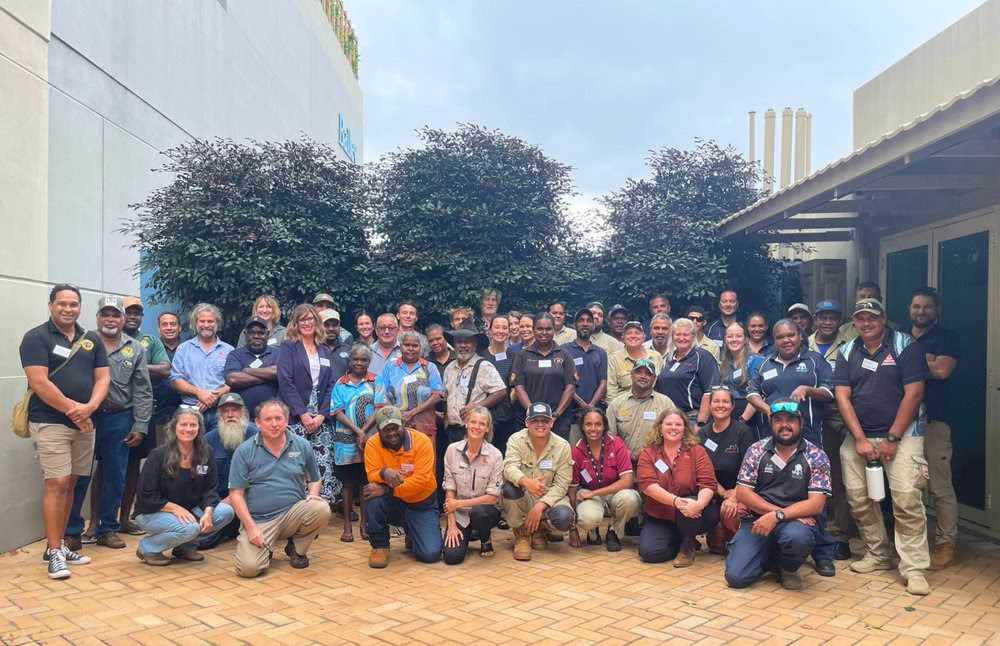
Ranger groups on Cape York Peninsula are “leading the way” in tackling key threats to endangered marine turtles, with new data highlighting the scale and impact of their work.
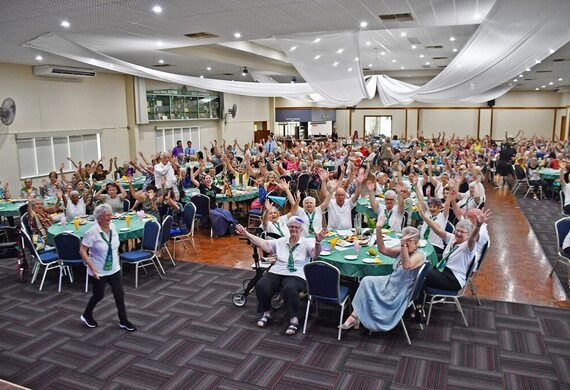
More than 70 representatives from nine ranger groups, state and federal government agencies and other organisations committed to turtle conservation came together in Cairns for the annual meeting of the Western Cape Turtle Threat Abatement Alliance (WCTTAA) — the largest gathering in the program’s history.
The meeting, held in March and hosted by Cape York NRM, showcased how Indigenous ranger groups are combining on-ground action with long-term monitoring to improve turtle hatchling survival rates and better understand populations across remote nesting beaches.
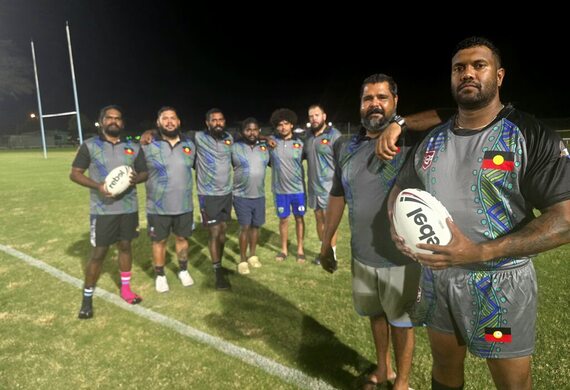
For Clinton Williams, Ranger Coordinator with the Pormpuraaw Land and Sea Rangers, consistent monitoring is key.
“The information we collect from places like Hersey Beach helps us understand how turtles are using the area and whether their populations are changing over time. Long-term monitoring is essential for protecting important nesting habitats,” Clinton said.
Ronderson Tommy, Senior Ranger with the Kowanyama Land and Sea Rangers, said his team is using new tools to support their work including e-bikes on beach patrols.
“The annual meeting is an eye-opener. It’s good to see what other people are doing and share information,” he said.
A key achievement marked at the meeting was the removal of 7,493 feral pigs during the recent season. Predation by feral pigs remains one of the biggest threats to turtle nests and eggs. Rangers also deployed protective cages over nests to prevent predators, including pigs, dingoes and goannas from destroying them.
Minister for the Environment and Tourism, Minister for Science and Innovation, Andrew Powell welcomed the results.
“Our Government is getting on with the job of protecting Queensland’s environment which includes taking strong action on feral pests,” Minister Powell said.
“Feral pigs remain a key threat to marine turtles, but an estimated 2.5 million hatchlings have already been protected in the region through the Nest to Ocean Turtle Protection Program.
“By supporting Indigenous ranger groups on the ground, we’re protecting habitats, improving hatchling survival, and securing these species for future generations.”
Mike Gregory, from the Queensland Government’s Nest to Ocean Turtle Protection Program, said the scale of the work being delivered across the region is significant.
“We know pigs are a major issue for turtles nesting in Queensland, but in terms of coordinated action and the number of feral pigs being removed, the western Cape is leading the way,” he said.
“It’s an enormous effort from WCTTAA and the ranger groups. Their work is having a profound and positive impact on marine turtle populations in the far north.”
Western Cape York has been identified as one of six demonstration sites under the National Feral Pig Action Plan, recognising the program’s leadership in showing how coordinated pest management delivers measurable environmental outcomes.
According to Heather Channon, Australia's National Feral Pig Management Coordinator, the WCTTAA model shifts the focus from activity to impact.
“This work is showing how pig control directly supports turtle hatchling success,” she said. “It’s also highlighting the capability and expertise of ranger teams working on Country.”
Cape York NRM CEO Pip Schroor said it was great to see a record number of attendees.
"Bringing together more than 70 representatives for the largest WCTTAA meeting ever is a remarkable achievement for the program. Through on-ground action and long-term monitoring, rangers on the western Cape are protecting nests and hatchlings, reducing predation and gathering data that directly supports these vulnerable species," she said.
Another focus of the meeting was the growing concern for olive ridley turtle populations on the western Cape. This year, rangers recorded just 88 olive ridley nests, compared with 1,587 flatback nests across monitored beaches.
Cape York NRM’s Program Lead for Marine Turtle Conservation, Dr Manuela Fischer, who works closely with ranger groups, said results show the species needs continued protection.
“While nesting numbers for flatback turtles remain relatively stable, the number of olive ridley nests has declined since the start of the decade,” she said.
Presentations were delivered by all six ranger groups that form WCTTAA, highlighting their monitoring and feral pig control efforts. The event also featured an update from Rio Tinto on their turtle monitoring program and talks on aerial platform training and the Nest to Ocean Program.
On the second day of the meeting, western and eastern Cape ranger groups came together to support the Eastern Cape York Turtle Conservation Project, building on the success of WCTTAA. They shared skills and knowledge, discussed project highlights, challenges and resources needed, and worked with Federal Government representatives to map Biologically Important Areas.
WCTTAA is a partnership of Indigenous land and sea owners and managers from Apudthama Land Trust and the Northern Peninsula Area Regional Council, Napranum Aboriginal Shire Council, Mapoon, Pormpuraaw, Aak Puul Ngantam Cape York and Kowanyama.
WCTTAA is supported by Cape York NRM through funding from the Australian and Queensland Governments’ Nest to Ocean Turtle Protection Program, and Rio Tinto’s Western Cape Community Development Fund.