New era for Eastern Kuku Yalanji tourism at Cape Tribulation
CULTURAL GATEWAY



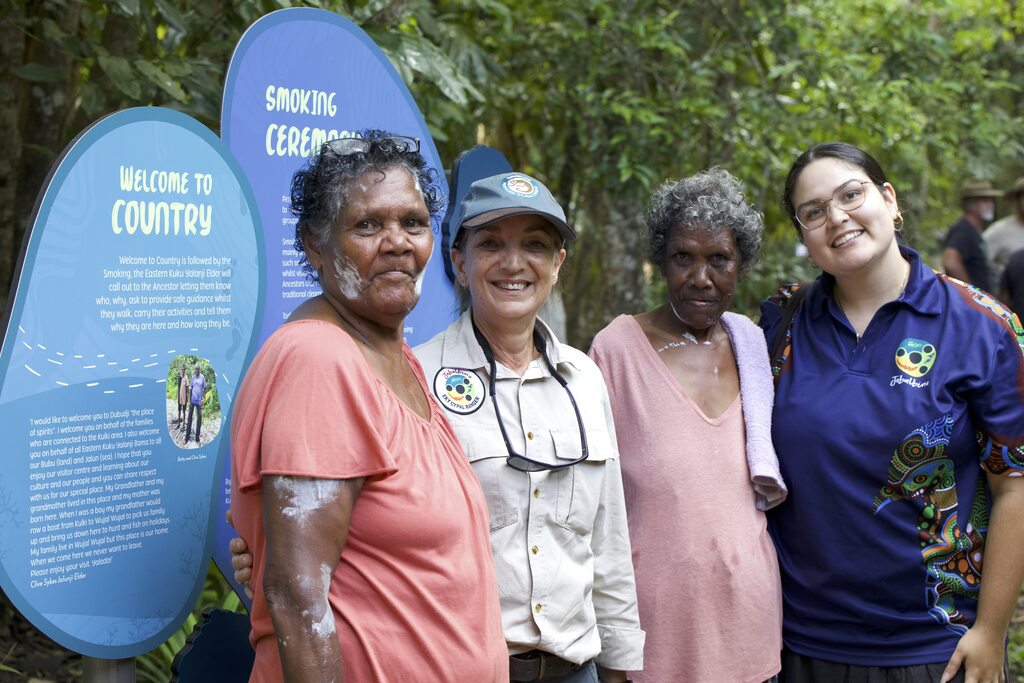
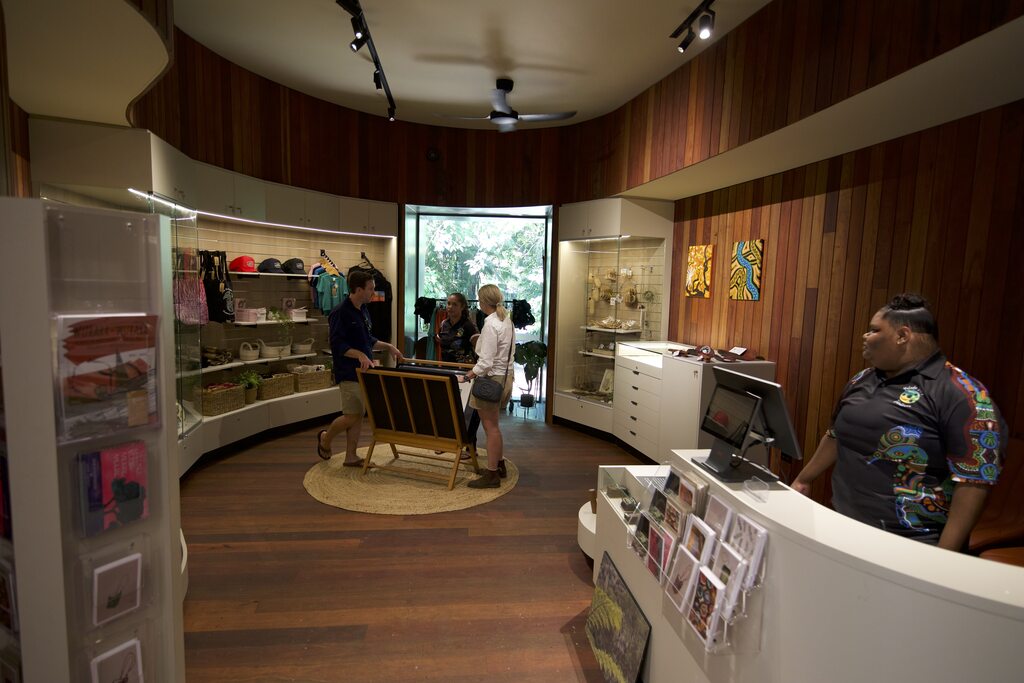
Cape Tribulation’s tourism landscape entered a transformative new chapter on Thursday, April 23, with the official opening of the Bamanga Muruku Tourism Hub visitor centre.
Owned and operated by the Jabalbina Corporation, the long-awaited facility serves as a gateway for visitors to experience the living culture of the region’s traditional owners.
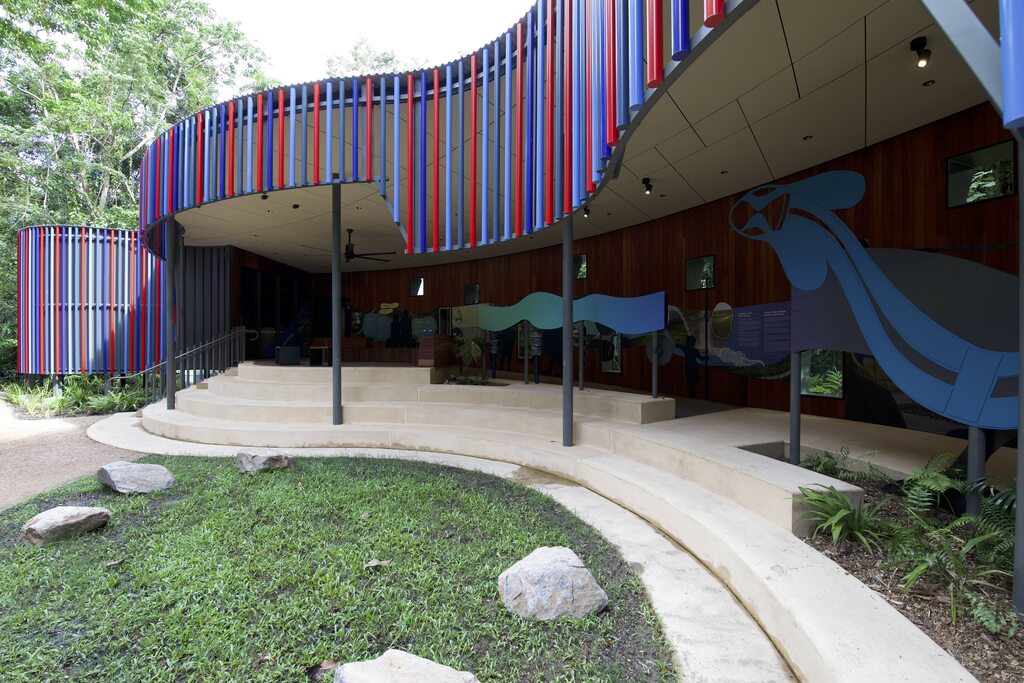
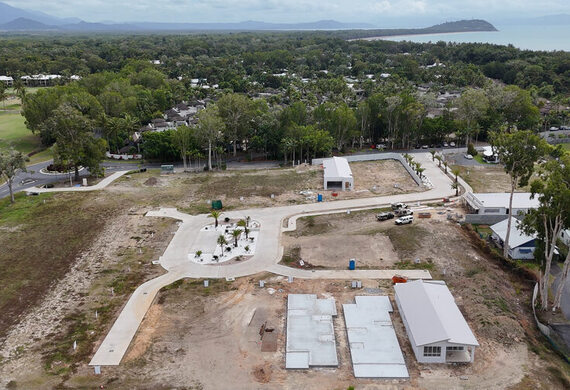
The visitor centre is the first stage of the Cape Tribulation tourism hub, which will provide direct employment, visitor accommodation, and event and training spaces.
Jabalbina chairwoman Laurel Denman described the opening as the beginning of a new era in cultural tourism.
“This is exciting news for Eastern Kuku Yalanji, for the tourism industry, and for the region,” Ms Denman said.
“This resets cultural tourism in our region. A range of commercial ventures and social programs will now flow from the centre.”
In conjunction with the hub's opening, Jabalbina launched Yalada Tours, which offers eco-cultural journeys through Eastern Kuku Yalanji country.
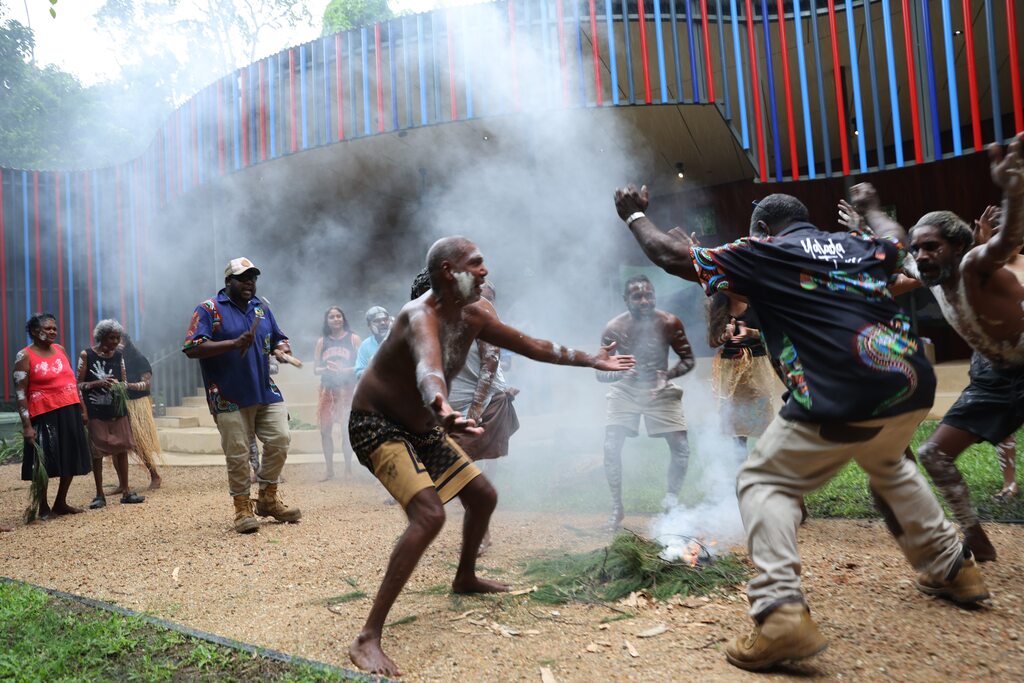
“This has been a long time coming. To finally have an Indigenous owned tourism business based on Eastern Kuku Yalanji Country, led by Eastern Kuku Yalanji Bama and extending north of the Daintree River, is something we are very proud of,” Ms Denman said.
Future vision
The visitor centre represents the first stage of the broader Cape Tribulation tourism hub project.
The $4.8 million project was made possible through a collaborative funding effort, including $3.5 million from the Australian Government and $1.34 million from the Queensland Government.
Jabalbina CEO Josh Paterson highlighted the strategic significance of the facility, stating it is part of a coordinated effort to sustainably develop the region’s cultural tourism experience.
“A host of socioeconomic programs already operating can now be centred on the tourism hub, including training and employment, youth justice, and healing programs.
“In this way we’ll marry economic development with our broader social agenda, ensuring our investment is culturally sustainable.”