Recovery grants now available for Cook producers hit by Cyclone Narelle
Tropical Cyclone Narelle


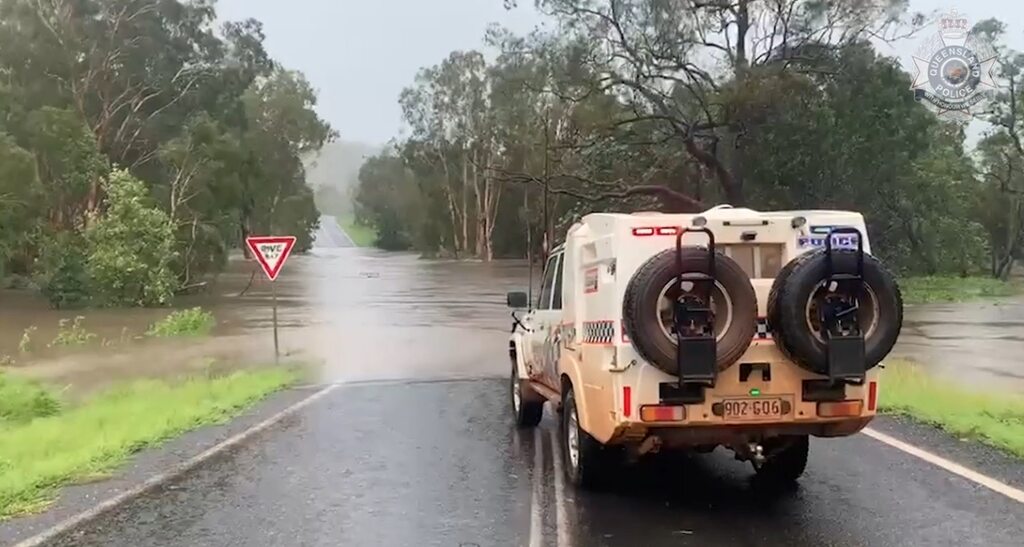
Member for Cook David Kempton has announced that, following close collaboration with Cook Shire Mayor Robyn Holmes and Minister for Local Government and Disaster Recovery Ann Leahy, Exceptional Disaster Assistance Recovery Grants are now available to support primary producers directly impacted in the Cook Shire by Cyclone Narelle.
Primary producers affected by the recent cyclone can apply through QRIDA for Exceptional Disaster Assistance Recovery Grants of up to $75,000.
To help producers commence recovery as quickly as possible, initial grant payments of up to $10,000 are available. Applications must include evidence of direct damage, such as photographs, quotations, tax invoices, and official receipts.
Further applications can be made for subsequent claims, up to a combined maximum of $65,000, to support ongoing disaster recovery activities. These applications must include full evidence of the primary producer’s payment of the claimed costs.
“These grants are intended to support the clean-up and reinstatement of primary production enterprises that have sustained direct damage due to the Cyclone Narelle,” Mr Kempton said.
“Through continual advocating to the Minister and keeping in contact with the mayor we’ve had a great outcome for people of the Cook Shire.”
The grants can be used for eligible clean-up, reinstatement activities and emergency measures include contributing to costs such as:
- Purchasing or hiring equipment and materials to undertake clean-up
- Paying for additional labour costs (above and beyond normal wage expenditure i.e. day-to-day staffing)
- Disposing of damaged goods such as lost or damaged crops, and injured or dead livestock, including associated costs
- Repairs to buildings (other than housing), including undertaking essential repairs to premises and internal fittings that is not covered by insurance
- Repairing or replacing fencing not covered by any other assistance
- Reconditioning/ repairing essential plant and equipment
- Salvaging crops, grain and feeds
- Purchasing or hiring/ leasing costs for equipment essential to the immediate resumption of the business
- Paying tradespeople to conduct safety inspections
- Maintaining health of livestock, including purchasing fodder
- Replacing deceased livestock
- Replacing lost or damaged crops (including pasture-based crop and sugar cane) with the same or comparable crop
- Replacing lost or damaged plants (including root stock, seedlings, seeds and tube stock).